1. Identify the substance
The team checks labels, safety data sheets and the history of the site. If the substance is unknown, crews treat it as hazardous until it is identified.
Wilmette, IL · Cook County
A chemical release at a Wilmette property raises questions fast. Call (877) 812-4220 and describe what you see. The team explains how it would contain the spill, clean up and dispose of the waste.
If anyone is in danger, call 911 first. For a suicide crisis, call or text 988.
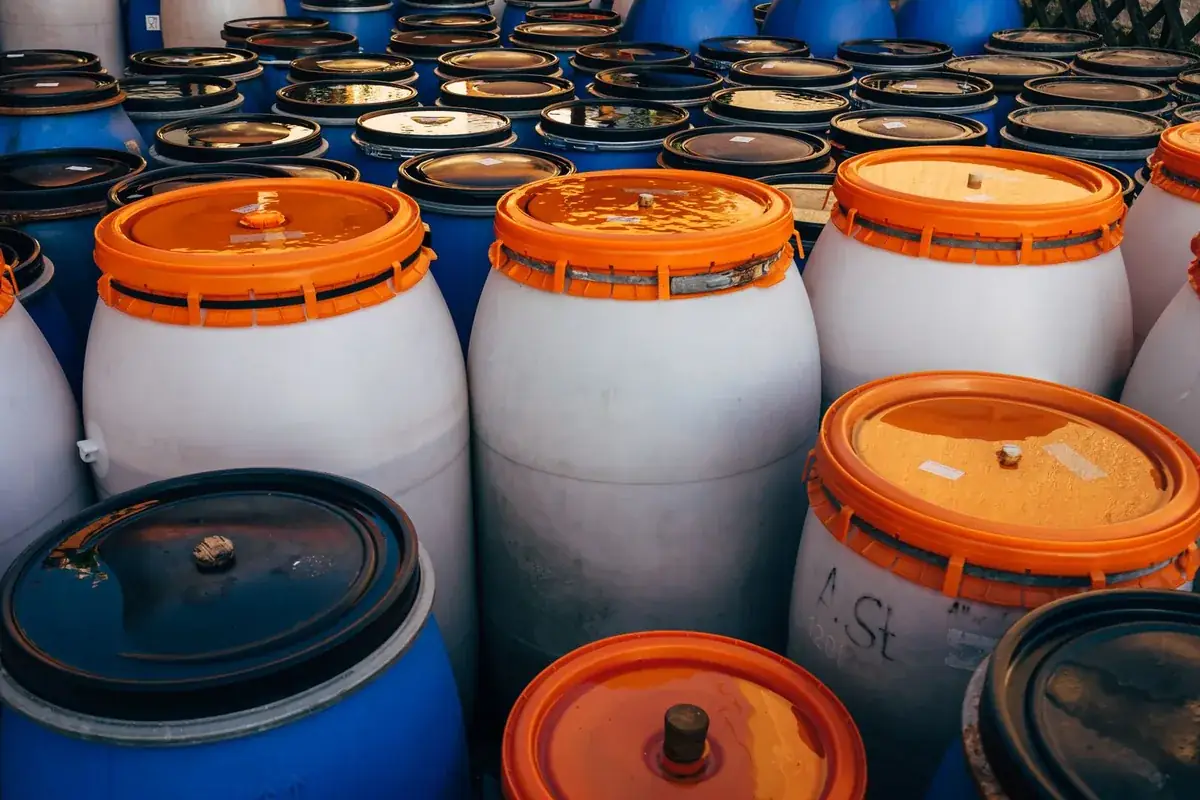
Chemical cleanup is the use of protective gear, absorbent materials and suitable products to remove a harmful substance from a floor, a surface or the ground. The method depends on what the substance is.
Need hazardous waste cleanup across Cook County, including Wilmette? Call Wilmette Biohazard Cleanup Help. Your crew sorts products by type, packages them so they cannot react and cleans the surfaces they leave behind.
About 81% of homes in Wilmette were built before 1980, and older garages and sheds often hold decades of paint, solvents and pesticides. Cook County has a Very High river flood risk rating from FEMA, and floodwater can tip over drums and spread chemicals across yards.
Chemical & Toxic Waste Cleanup in Wilmette usually includes:
The team checks labels, safety data sheets and the history of the site. If the substance is unknown, crews treat it as hazardous until it is identified.
People and pets are kept out. Ignition sources and unsafe airflow are controlled, and workers put on protective gear matched to the hazard.
The spill is absorbed, contaminated items are removed and surfaces are cleaned. Odors and residue are treated according to the substance.
The team packs the waste and takes it away. A final check of the area ends with a plain summary for the owner.
The cost of chemical & toxic waste cleanup in Wilmette, IL depends on the amount of material, how it is packed and how it is hauled.
Access and distance change the quote. Remote sites, locked buildings and travel to the property add time, as does after-hours emergency response.
| Type of job | Typical range |
|---|---|
| Hazardous chemicals | $30 - $50 per barrel |
Estimates only, not a quote. Sources: Fixr. Price drivers include type of chemical, amount, packaging and transport, disposal fees. Call (877) 812-4220 to talk through the job.
Usually yes. Crews arrive in unmarked vehicles, work quietly and keep the job private. Tell the team at the start if discretion matters, and it will plan around that.
Do not open, move or smell them. Keep people and pets away and take photos from a safe distance. A cleanup team can identify the contents, sort them by hazard and set up lawful disposal.
Waste is sorted, labeled, packed and hauled by the rules that apply to its type. It does not go in the regular trash or down a drain. Ask the cleanup team how its waste is hauled and disposed of, and ask for records at the end.
Some products release toxic gas when combined. Bleach and ammonia are a well-known example. Never mix products to clean a spill, and leave the area if you smell fumes.
Keep people away and call 911 if there is danger. Cleanup teams place barriers and absorbents to stop the spread and remove contaminated soil or materials where needed. Local fire and health officials can say what must be reported.
Biological hazards come from living things, such as bacteria, viruses and body fluids. Chemical hazards come from substances like solvents, acids, fuels and pesticides. They need different gear, products and disposal, and some jobs involve both.
Day or night, the call starts with safety.
Call (877) 812-4220